Optimal Timing for Water Treatments
Water treatments are essential for maintaining water quality, preventing buildup of harmful substances, and ensuring the longevity of plumbing systems. Proper timing of water treatments can optimize their effectiveness and reduce long-term maintenance costs. Understanding seasonal and usage patterns helps determine the most advantageous periods for treatment application.
Water treatments are often most effective when applied before seasonal changes, such as spring or fall, to prevent mineral buildup and corrosion caused by temperature fluctuations.
High water usage periods, like summer months, may require more frequent treatments to address increased demand and potential contaminants.
Treatments should be scheduled based on water source quality, with adjustments made after heavy rainfall or drought conditions to manage contaminants.
Aligning water treatments with routine maintenance cycles ensures optimal system performance and minimizes disruptions.
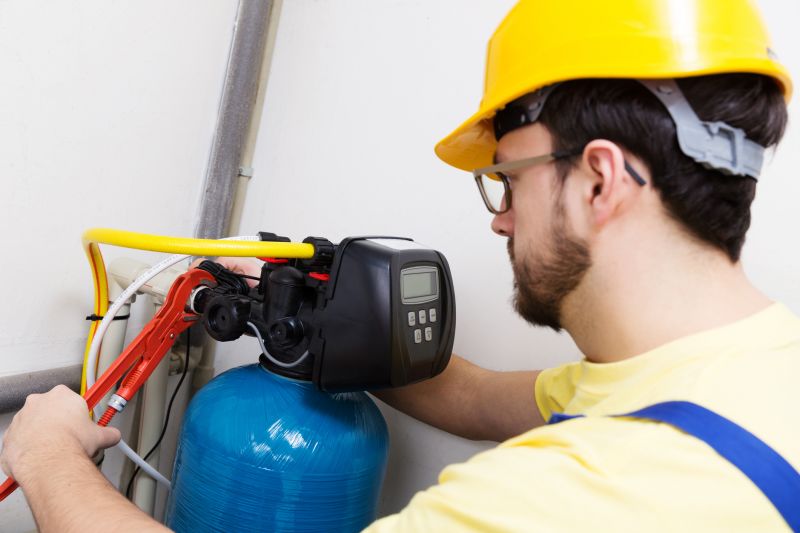
Properly maintained equipment ensures treatments are applied at the right times for maximum benefit.
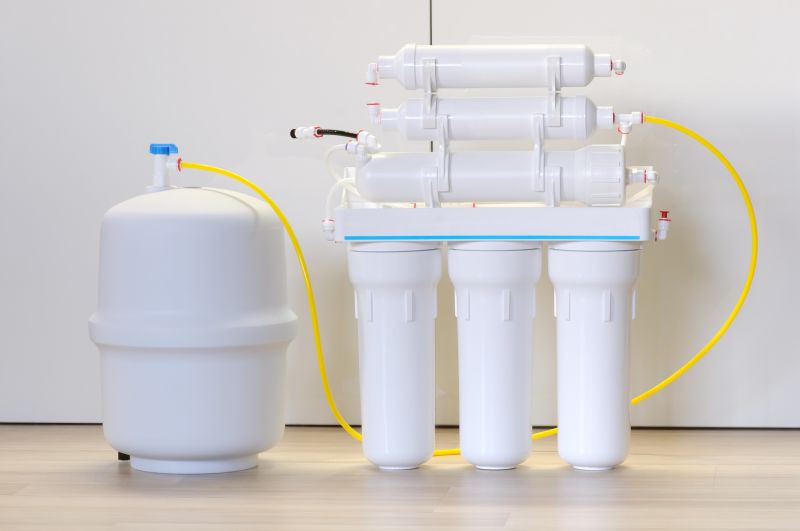
Regular testing helps determine the best timing for treatments based on water quality metrics.
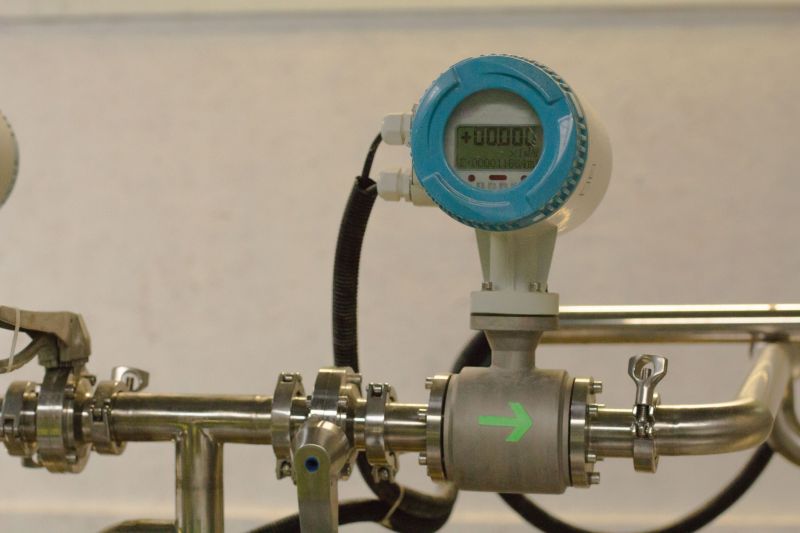
Monitoring water flow rates assists in scheduling treatments to prevent buildup and scaling.
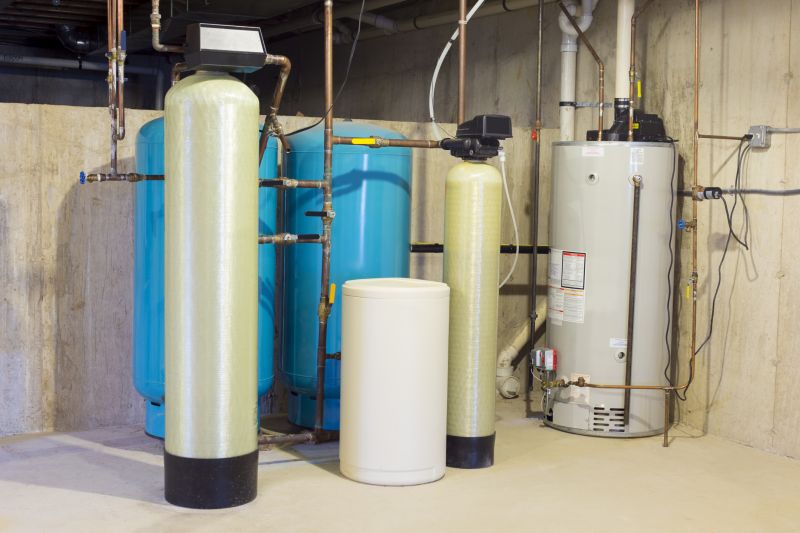
Ways to make Water Treatments work in tight or awkward layouts.
Popular materials for Water Treatments and why they hold up over time.
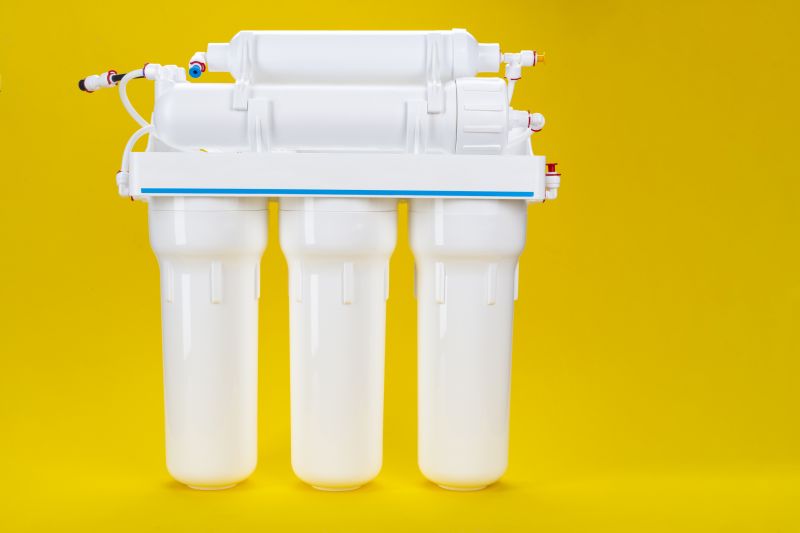
Simple add-ons that improve Water Treatments without blowing the budget.
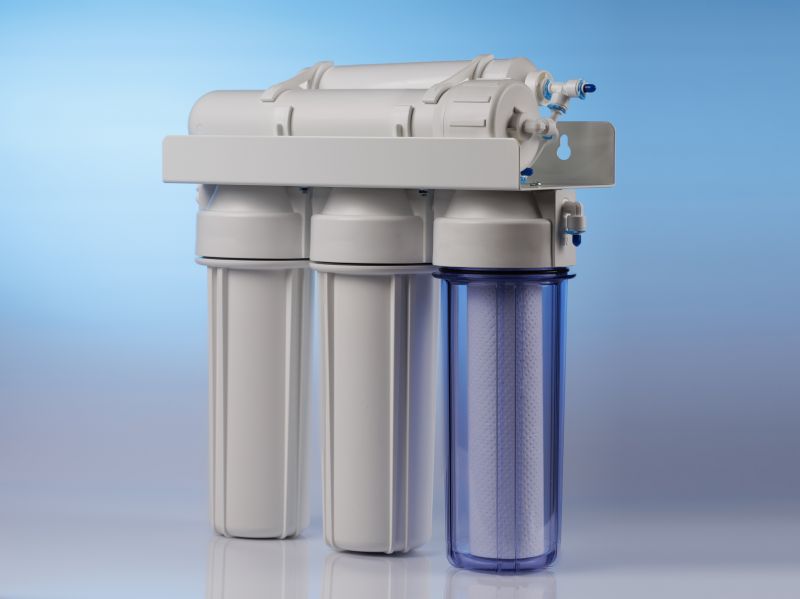
High-end options that actually feel worth it for Water Treatments.
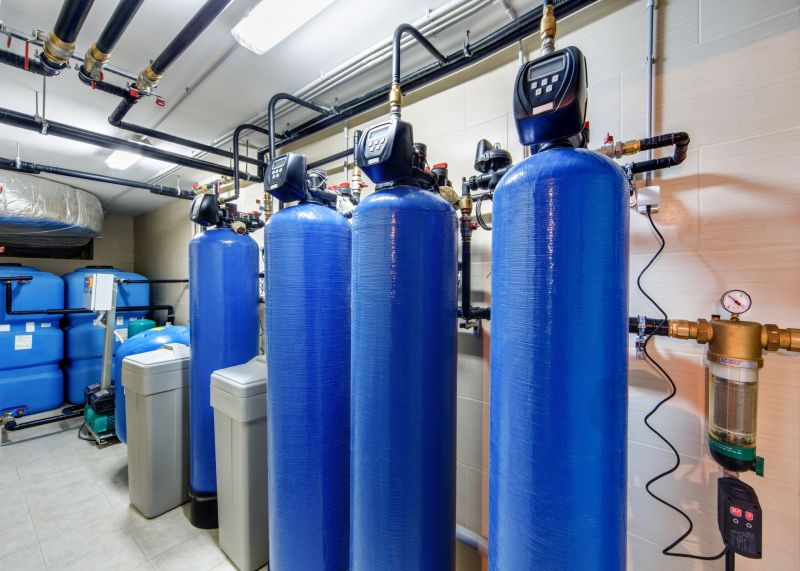
Finishes and colors that play nicely with Water Treatments.
| Season | Recommended Treatment Timing |
|---|---|
| Spring | Before peak usage and mineral buildup |
| Summer | During high demand periods |
| Fall | Pre-winter treatment to prevent freezing damage |
| Winter | As needed based on water quality |
| Post-Heavy Rainfall | To address increased contaminants |
Water treatments play a crucial role in maintaining the quality and safety of water supplies. They help reduce scale formation, eliminate harmful bacteria, and improve water clarity. Proper timing ensures treatments are effective, reducing the need for costly repairs and replacements. Seasonal adjustments and regular monitoring are key to achieving optimal results.
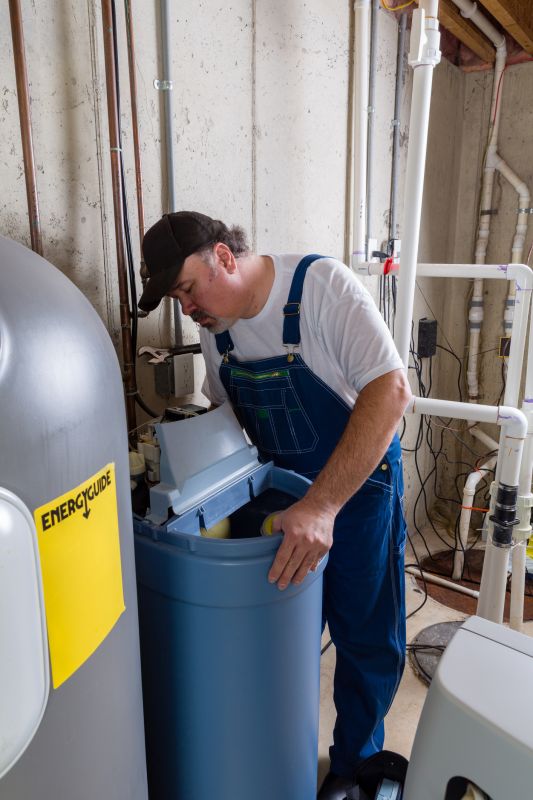
Treatments to reduce hard water minerals and prevent scale buildup.
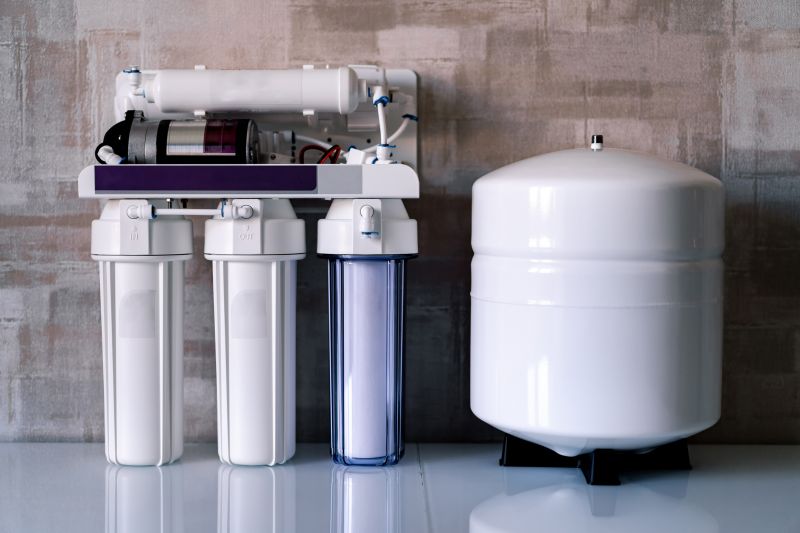
Removing sediments and contaminants for cleaner water.
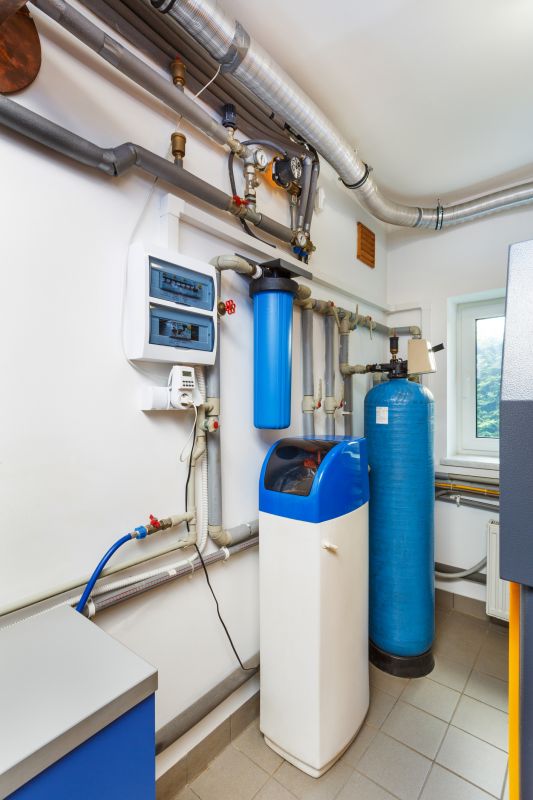
Automated systems for timely chemical dosing.
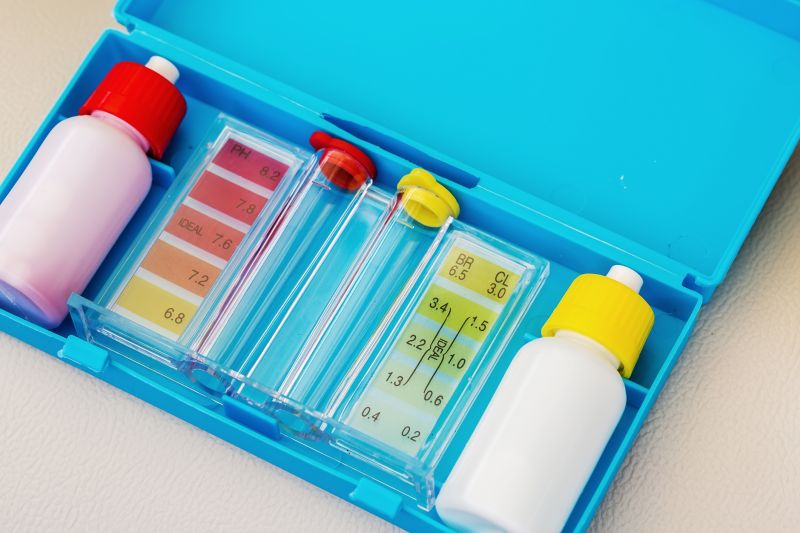
Tools for assessing water quality to inform treatment schedules.

Little measurements that prevent headaches on Water Treatments day.

A 60-second routine that keeps Water Treatments looking new.

A frequent mistake in Water Treatments and how to dodge it.

Small tweaks to make Water Treatments safer and easier to use.
Scheduling water treatments appropriately based on seasonal and usage factors can significantly extend the lifespan of plumbing and appliances. Regular testing and maintenance ensure water remains safe and clean, preventing costly repairs and ensuring compliance with health standards.